
Histone modification compound library
N° de cat.L4900
Une collection unique de 347 petits composés moléculaires avec une activité biologique utilisés pour la recherche sur la modification des histones et les essais associés.
Personnalisez votre bibliothèque :
Cité par 321 Publications
Histone modification compound library Contenu
Description et avantages
Détails du produit
| Formulation | 337 compounds pre-dissolved in 10mM DMSO, 2 compound pre-dissolved in 10mM water and 8 compounds pre-dissolved in 2mM DMSO | ||
|---|---|---|---|
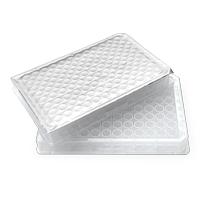
| Récipient | Plaque à 96 puits profonds scellée avec du papier daluminium | ||
| Stabilité | 12 months | -20°C | in DMSO |
| 24 months | -80°C | in DMSO | |
| Expédition | Glace bleue ou glace sèche | ||
Études de cas utilisant les bibliothèques de composés Selleck
-
Application de la GPCR Compound Library dans le cancer du foie (Cet article a été publié dans Nature (IF
-
Application de la Kinase Inhibitor Library dans le cancer colorectal (Cet article a été publié dans Nature Communications (IF
-
Application de la FDA-approved Drug Library dans lantivirus (Cet article a été publié dans Cell Research (IF
-
Application de la FDA-approved Drug Library dans le métabolisme (Cet article a été publié dans Movement Disorders (IF
-
Application de la Epigenetics Compound Library dans la leucémie lymphoblastique aiguë (Cet article a été publié dans Blood (IF
-
Application de la Inhibitor Library en immunologie tumorale (Cet article a été publié dans Cancer Immunol Res (IF
Histone modification compound library Composition
Partenaires dinstallations HTS









Les produits sont destinés à la recherche uniquement. Ne pas utiliser chez lhomme. Nous ne vendons pas aux patients.
©Copyright 2013 Selleck Chemicals. Tous droits réservés.